End-to-end precision architecture for aerospace, space systems, and earth engineering applications. Where microns matter.
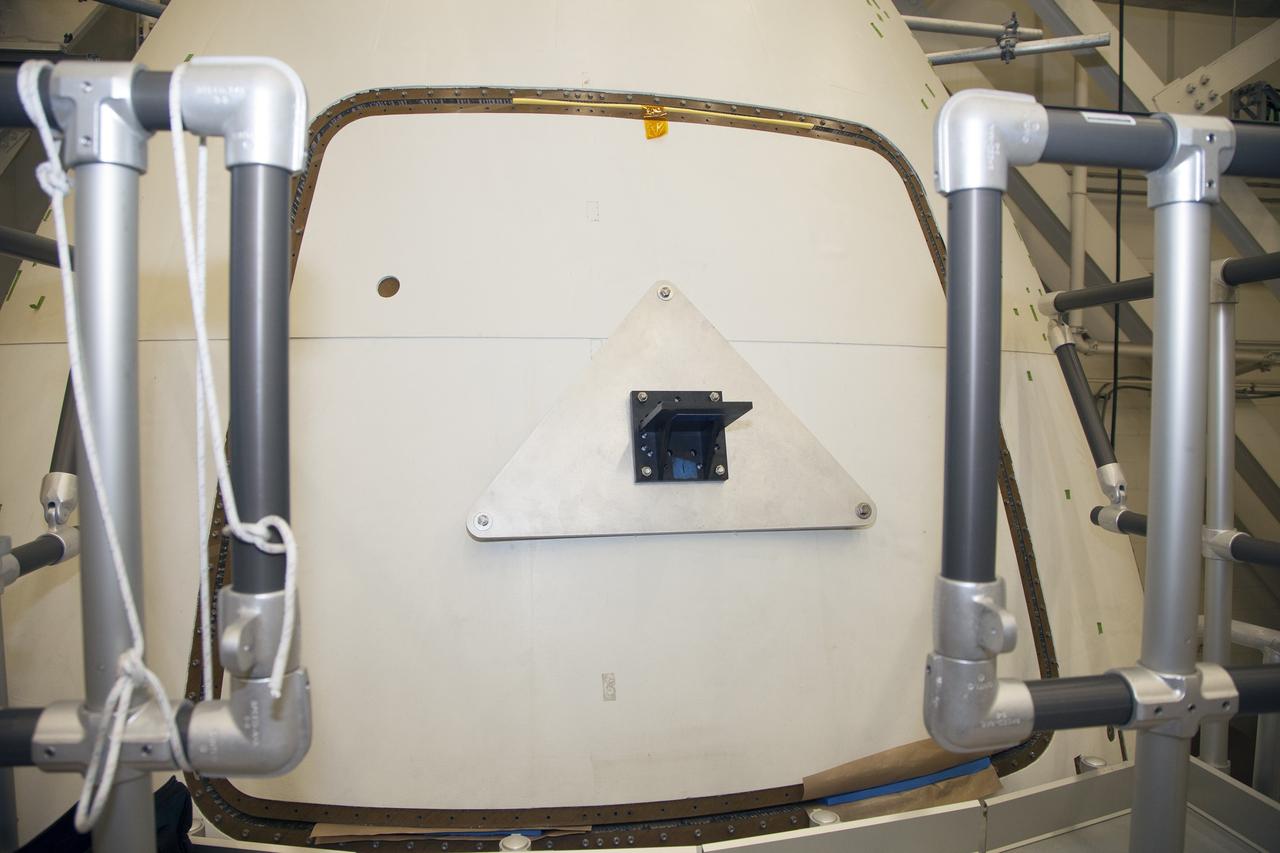
My career has been defined by the design and construction of mechanical systems for the most demanding environments known to man. From my early research into biomorphic robotics at Cornell and MIT to my work at NASA’s Johnson Space Center, I have specialized in the "hard problems" of spacecraft mechanism design and robotic hardware development. My contributions to mission-critical systems—including the design of the Orion docking mechanism jettison system, for which I received the Silver Snoopy award—reflect a deep commitment to precision and reliability in crewed vehicle integration.
I believe that the future of space exploration is not just a scientific goal, but a biological and cultural necessity. Driven by a lifelong fascination with the unknown and inspired by the altruistic ideals of explorers like Carl Sagan, I view engineering as the primary catalyst for humanity’s next great evolution. Whether conducting experiments on the "Vomit Comet" or mentoring the next generation of engineers through FRC robotics, my goal is to sustain and pass on a torch of purpose that enables us to live and work beyond Earth for generations to come.

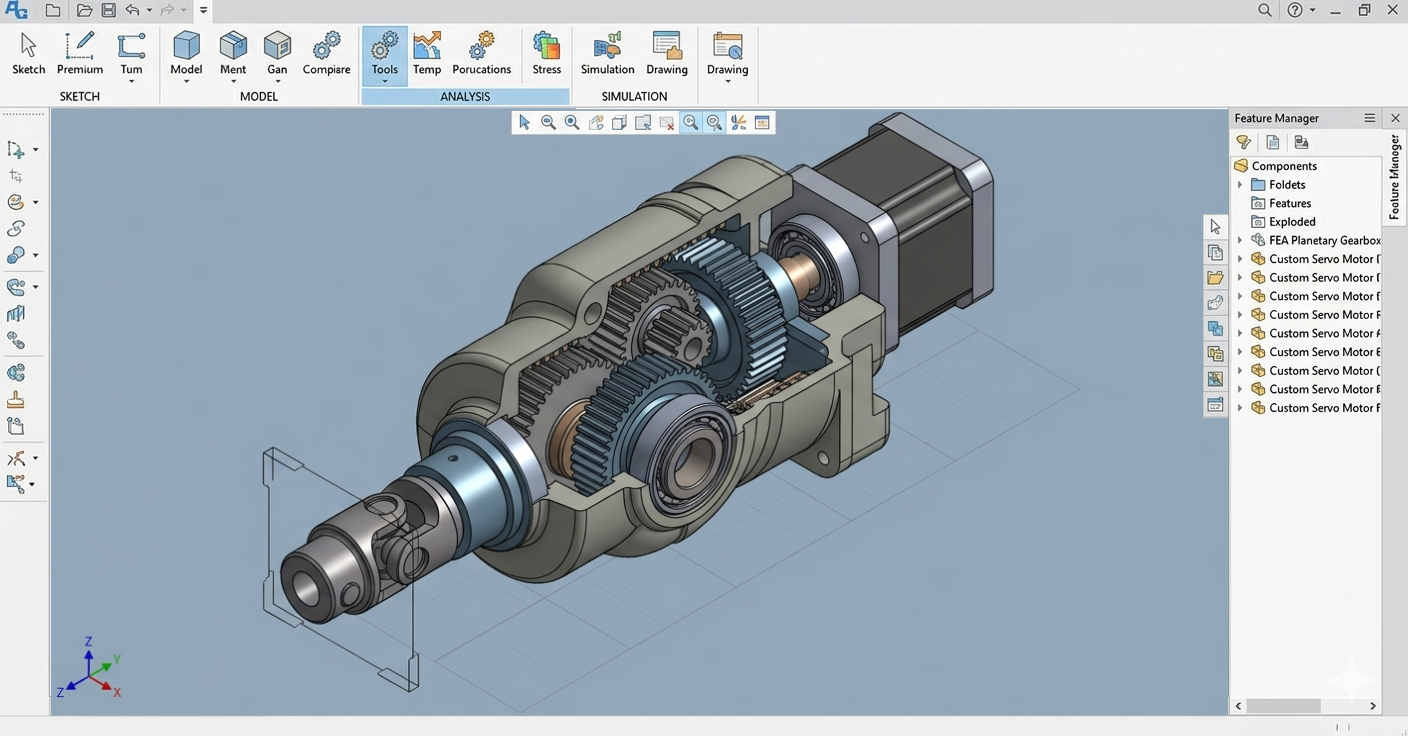
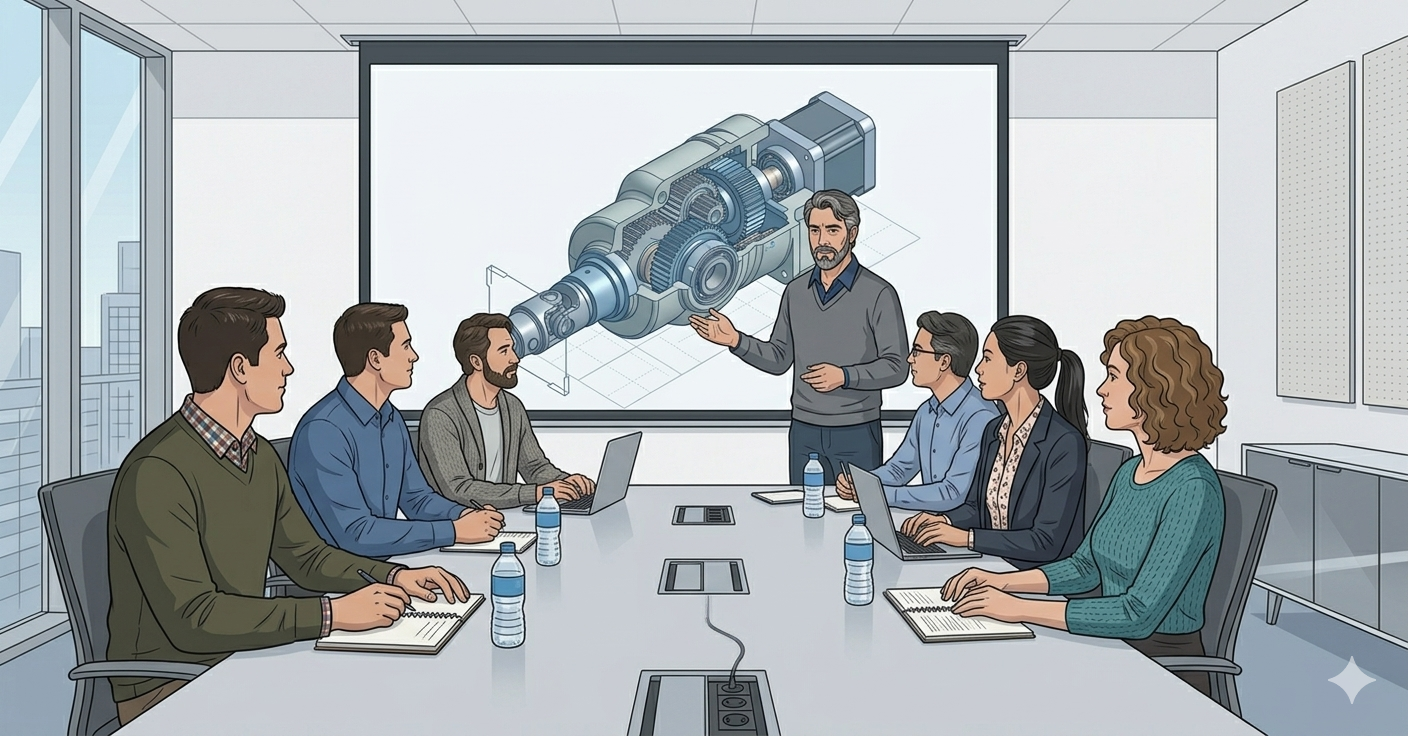
The Foundation of Precision. Every project begins with a deep dive into technical requirements and environmental constraints. Using advanced CAD modeling and simulation, we identify potential failure points before a single part is produced. This stage ensures that the theoretical design is physically sound and optimized for its specific orbital or terrestrial mission.
Key Focus: Structural Integrity, Optics, and Robotics Architecture.

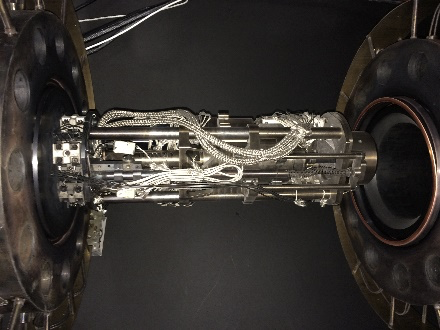
Bridging Theory and Reality. Moving from the digital model to the physical world, we utilize rapid prototyping and 3D printing to create high-fidelity components. This is an iterative phase where hardware meets the "real world"—testing tolerances, material stress, and mechanical interfaces to ensure every sub-assembly performs exactly as analyzed.
Key Focus: Prototyping, Component Testing, and Material Validation.

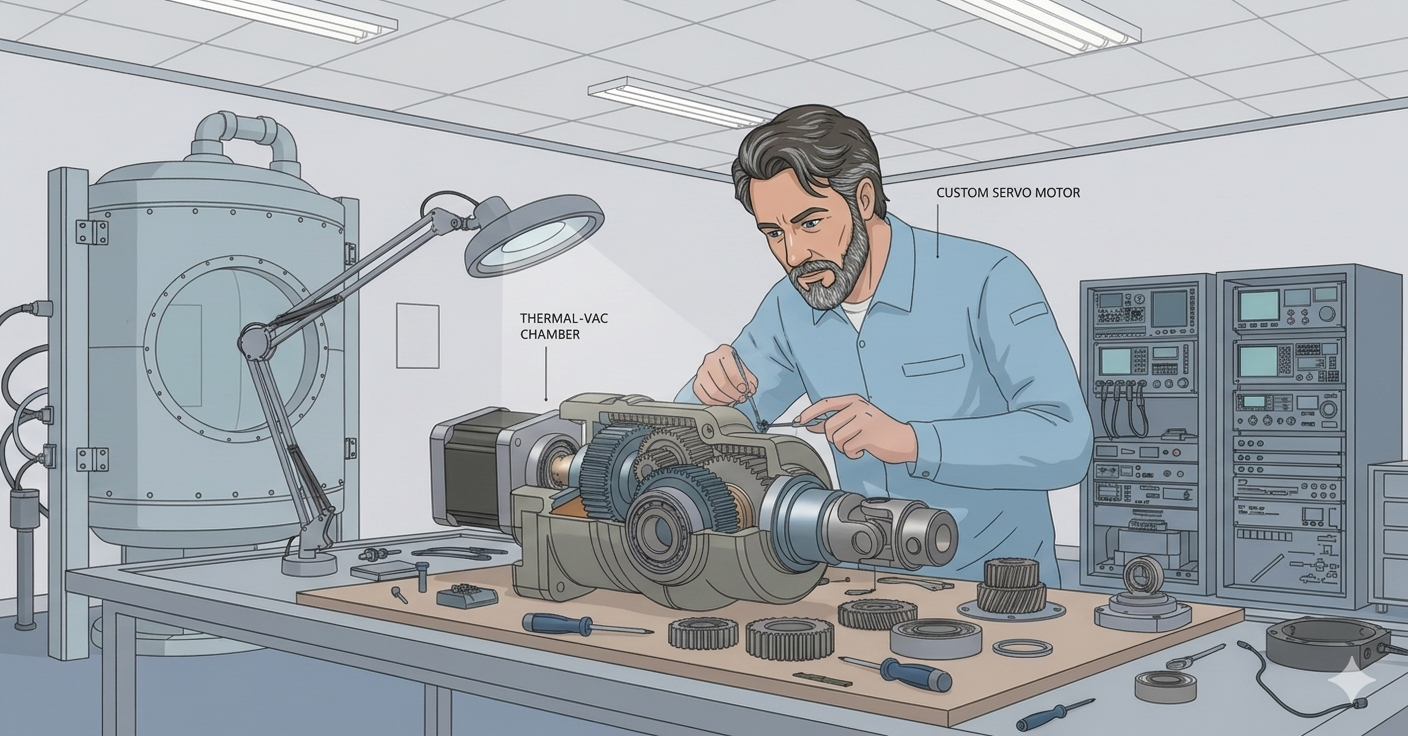
Validation & Final Delivery. The process concludes with a rigorous technical audit. We review performance data against the original mission parameters to ensure total compliance. Whether it’s a standalone robotic system or a complex optical assembly, the final output is a verified, mission-ready solution backed by comprehensive documentation.
Key Focus: System Integration, Quality Assurance, and Performance Reporting.
Reach out about projects, collaborations, or just to say hello.